You choose your hail repair shop — the law says so
Your insurance company can recommend a shop from its network, but it cannot make you use one. The choice of who repairs your hail-damaged car belongs to you in both Kansas and Missouri. You shouldn't have to become an insurance expert because a storm hit your car, so here is exactly what that right means and how to use it without friction.
Can your insurer make you use a specific shop?
No — the choice of who repairs your car is yours. Your insurer can’t force you to use a specific shop or make you travel unreasonably to one. They can recommend a shop — but the choice of who repairs your car is yours. The practice of pressuring a policyholder toward a preferred shop is known as steering, and your right to decline it holds whether your car is titled in Kansas or Missouri.
The pressure usually arrives quietly rather than as a flat order. An adjuster rarely says you must use a particular shop. Instead you'll hear that a network shop is "right near you," that it can "get you in tomorrow," or that using it will "speed things up." Each of those statements may be true, and none of them changes your right to choose. A claim is processed at the same payment standard no matter which licensed shop you pick.
If you feel steered, a single clear sentence settles it. Say: "I appreciate the recommendation, but I've chosen my own repair facility, and I'd like my claim processed with that shop." Note the adjuster's name, the date, and the time. If the pushback continues, ask for a supervisor — escalation resolves the issue almost every time.
How does the right to choose work in Kansas and Missouri?
Both states land in the same place: the insurer can recommend, but the choice is yours. In Kansas, your insurer can’t force you to use a specific shop or make you travel unreasonably to one. They can recommend a shop — but the choice of who repairs your car is yours. The metro's two-state geography means a driver in Olathe and a driver in Lee's Summit have the same core protection, even though one car is titled in Kansas and the other in Missouri.
Your insurer can’t force you to use a specific shop or make you travel unreasonably to one. They can recommend a shop — but the choice of who repairs your car is yours. The state your vehicle is titled in — not the state where the storm hit — decides which rules apply to your claim. For drivers who cross the state line every day, that distinction is worth knowing before you call your carrier.
What is a direct repair program, and why does it matter for hail?
A direct repair program is a network of shops your insurer has pre-negotiated rates with. Carriers like direct repair programs because they control cycle time, pricing, and documentation. They are optional for you. A carrier can route you toward one and offer a network warranty as an incentive, but it cannot condition your claim on using it.
Most direct repair networks are built around collision work, not hail. Those shops do filler, repaint, and panel replacement — the right tools for a wreck, the wrong ones for a hood full of dents. Hail damage is almost always cosmetic, which is precisely what paintless dent repair is designed to undo while preserving the factory paint and keeping the vehicle-history report clean.
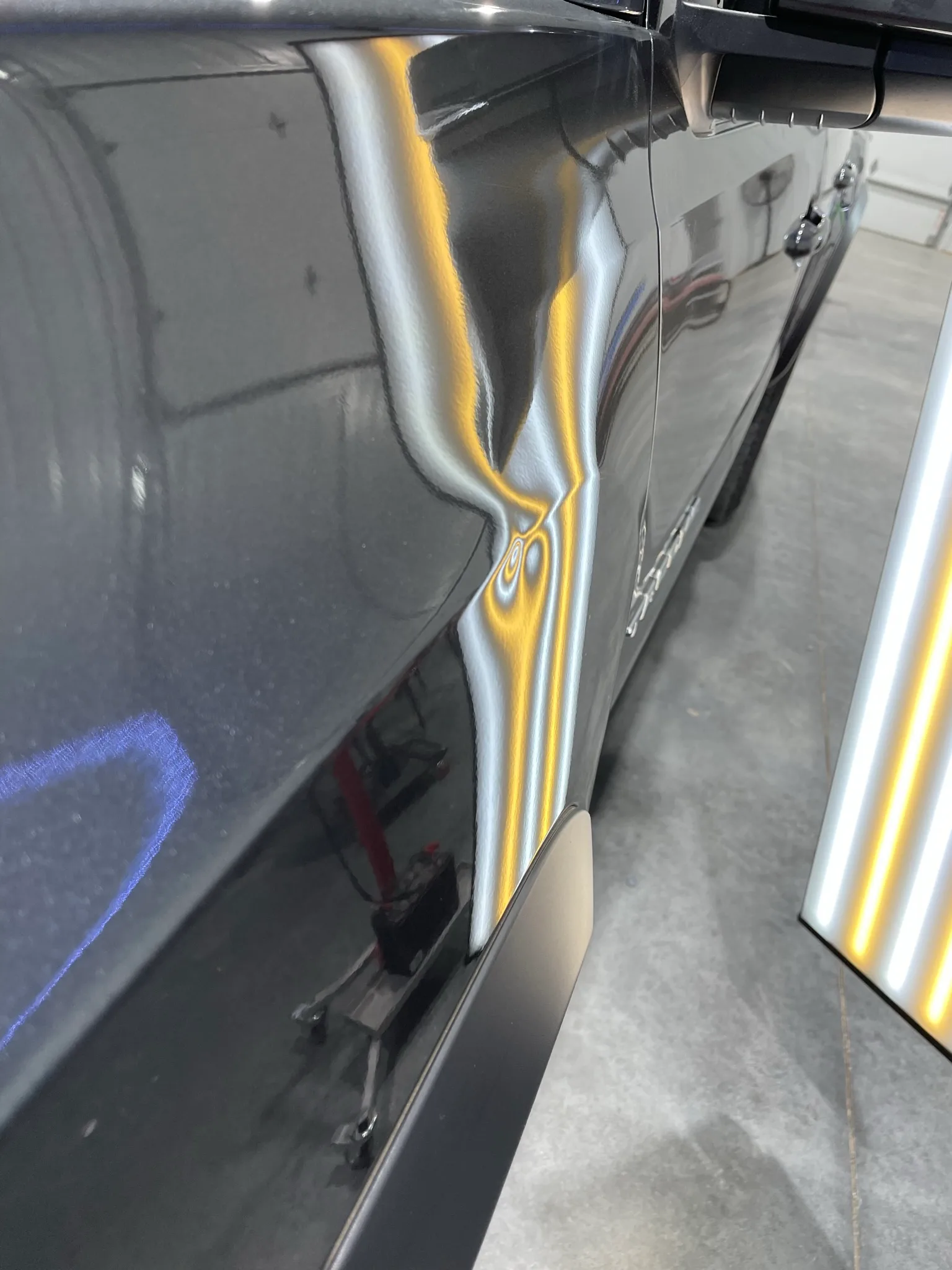
Steering a hail car into a body shop can quietly cost you resale value. Filler and repaint where none was needed can surface later on a buyer's vehicle-history check, while a clean paintless repair leaves no such trail. Your right to choose is what protects the better outcome for your car's value, not just an abstract point of law.
Where the line sits between repair and total loss
Choosing your own shop also matters near the total-loss line. Kansas sets the total-loss line at 75% of a late-model vehicle’s fair market value — but the cosmetic-hail carve-out above sits in front of it. An inflated first estimate from the wrong kind of shop can nudge a borderline car over that line, while an accurate paintless dent repair estimate often pulls the number back under it and keeps the vehicle repairable.
Under Kansas law, cosmetic hail damage generally isn’t counted toward totaling your vehicle (K.S.A. 8-197). Kansas law leaves “merely exterior cosmetic damage… as a result of windstorm or hail” out of the salvage calculation, so a cosmetically hail-dented vehicle generally shouldn’t be branded a total loss on that basis alone. Missouri applies a similar carve-out under its own statute. Our total-loss breakdown walks through how both states calculate it.
How does a local shop fit into all of this?
The simplest way to use these protections is to file your own claim and pick a permanent shop for the repair. You file the claim — it's yours, and we never file it for you. Our free claim walkthrough prepares a summary with your photos and gives you the exact script for your carrier, so naming your shop on the call is straightforward. Once the claim is approved and you hand us the claim number, we coordinate the repair with your insurer and restore the vehicle.
Bryan Wilson has restored more than 5,000 vehicles over 23 years of paintless dent repair from the shop in Olathe. That experience shows up in documentation adjusters approve quickly, supplements filed with supporting photos, and a process where your real job is to hand over the keys. Start the free claim walkthrough, or call (816) 451-1455 to talk through your situation.
Key takeaways
- Your insurer can recommend a shop, but it cannot require one — the choice is yours in both Kansas and Missouri.
- The state your vehicle is titled in decides which rules apply, not the state where the storm hit.
- Direct repair programs are optional and built around collision work, so they steer toward filler and repaint when paintless dent repair would keep your factory paint.
- Declining a preferred shop changes nothing — not your coverage, your deductible, or the carrier's duty to pay.
- If an adjuster keeps pushing, one clear sentence settles it — and you can ask for a supervisor.
This article is general information, not legal advice. Your outcome depends on your specific policy, carrier, and vehicle — when in doubt, confirm the details with your state insurance department or your own attorney.
Shop-choice questions
Can my insurance company require me to use their shop?
No. Your insurer can’t force you to use a specific shop or make you travel unreasonably to one. They can recommend a shop — but the choice of who repairs your car is yours. An adjuster may suggest a network shop because it speeds documentation on their end, but a recommendation is not a requirement. You can name any licensed repair facility, and your claim has to move forward at the same payment standard either way.
What is a direct repair program (DRP)?
A direct repair program is a network of body shops an insurer has pre-negotiated rates and turnaround terms with. DRPs are optional for you and convenient for the carrier — they help the insurer control cycle time, pricing, and paperwork. Most DRP networks are built around collision work, not hail, so they steer toward filler and repaint when paintless dent repair would keep your factory paint intact.
Does Kansas or Missouri protect my right to choose differently?
The core protection is the same in both states: the insurer can recommend, but the choice is yours. Your insurer can’t force you to use a specific shop or make you travel unreasonably to one. They can recommend a shop — but the choice of who repairs your car is yours. Whichever state your vehicle is titled in, you can decline a preferred shop without penalty and have your claim processed with the facility you pick.
What happens if I decline the insurer’s preferred shop?
Your claim proceeds normally. The carrier may ask for an estimate from the shop you chose before authorizing payment, which a permanent shop provides at no charge as part of the process. Declining a network shop does not change your coverage, your deductible, or the carrier's duty to pay reasonable repair costs.
What should I say if an adjuster keeps pushing their shop?
Stay polite and clear: "I appreciate the recommendation, but I've chosen my own repair facility, and I'd like my claim processed with that shop." Write down the date, the time, and the name of whoever you spoke with. If the pushback continues, ask for a supervisor — escalation resolves it almost every time.
Why does my shop choice matter more for hail than for a collision?
Hail damage is almost always cosmetic dents in sheet metal, which is exactly what paintless dent repair is built to undo without filler or repaint. A body shop steered to a hail car often adds paint and filler that a clean paintless repair would avoid, which can show up later on a vehicle-history report. Choosing the right method protects your vehicle's resale value, not just the look of the panel.
Your shop, your choice. Now make filing easy.
Take a few photos, run the free walkthrough, and you'll have a claim summary and a carrier-specific script in minutes. You file the claim — we coordinate the repair and bring your car back like the storm never happened.